

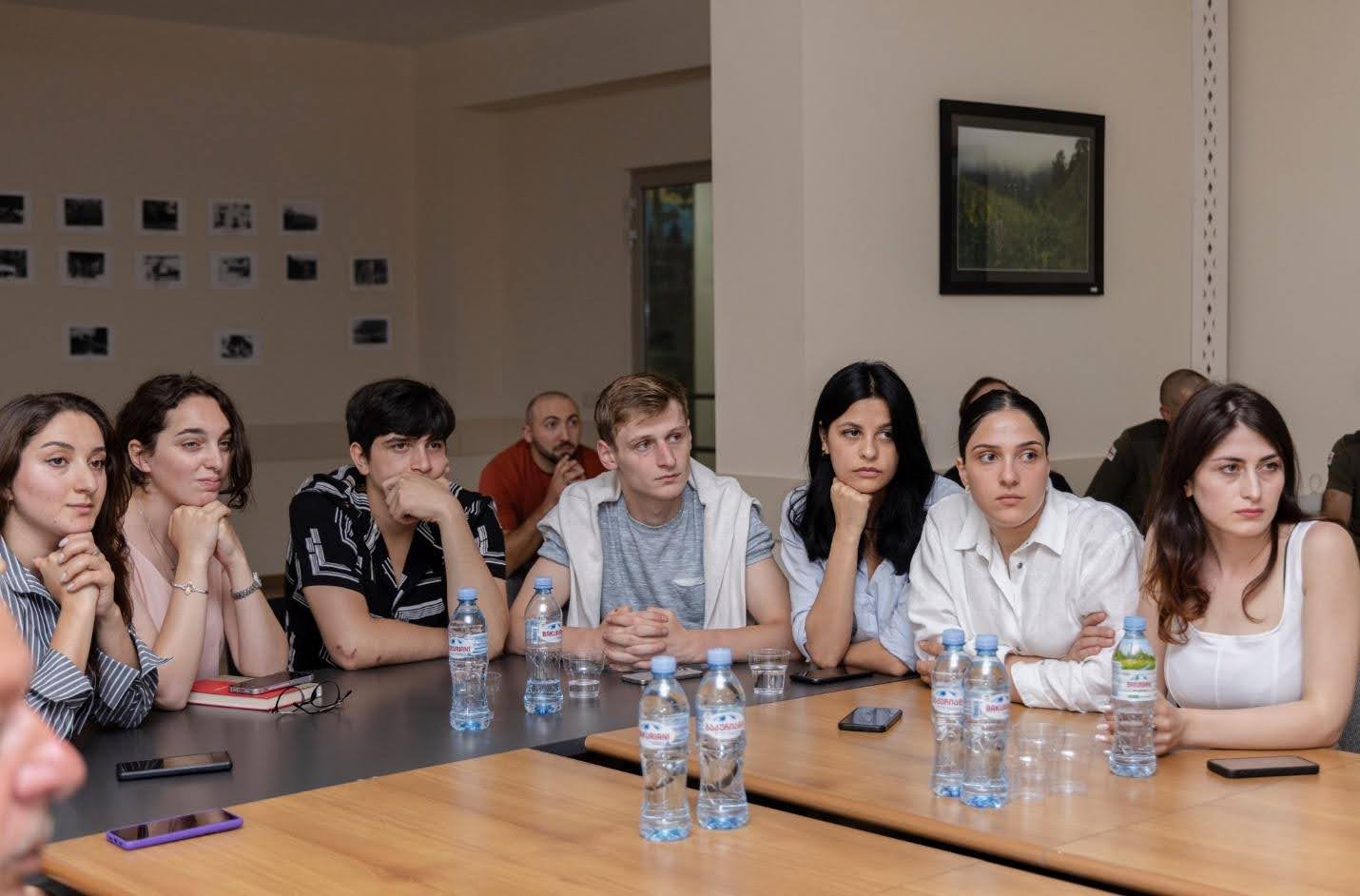
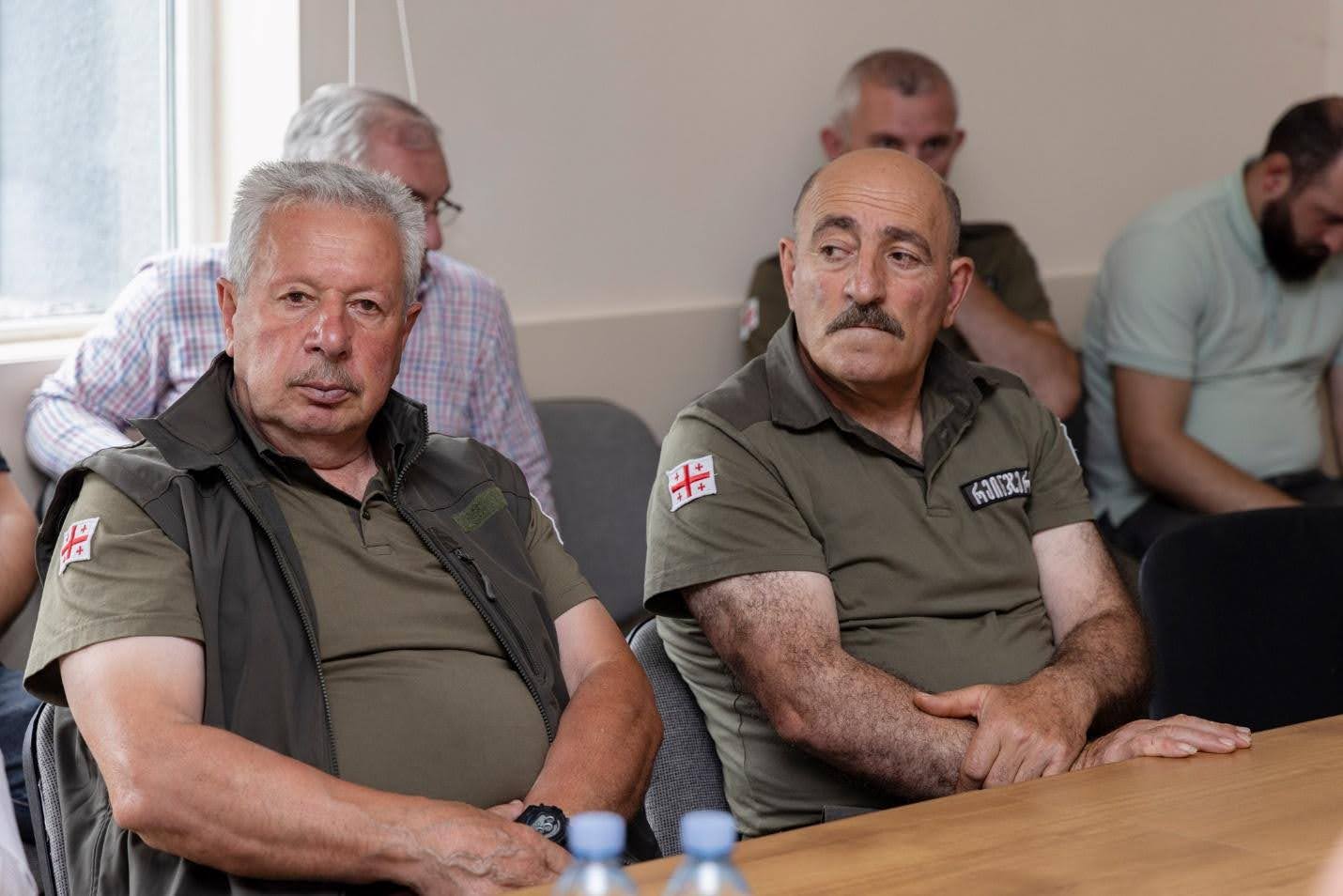
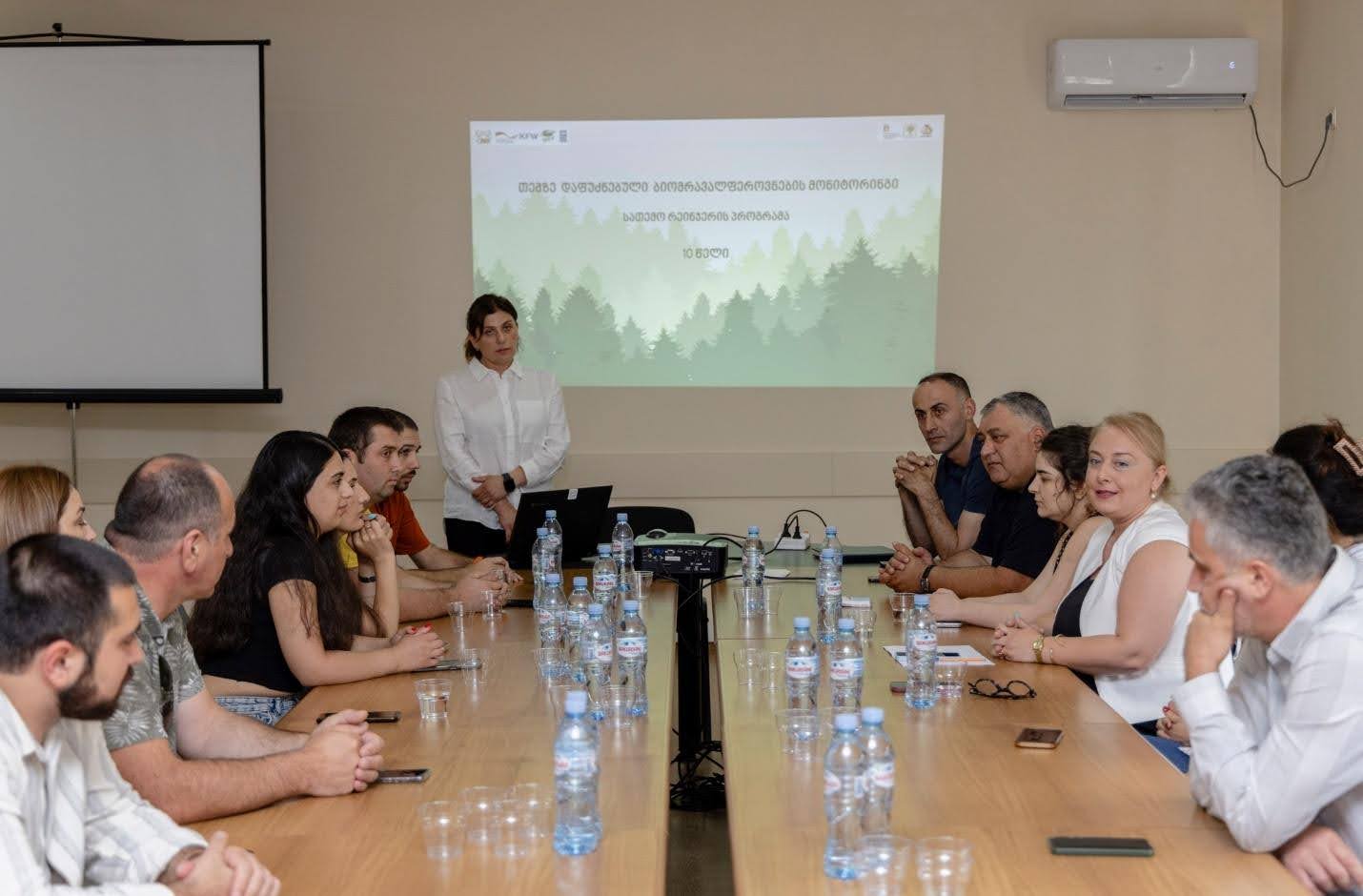
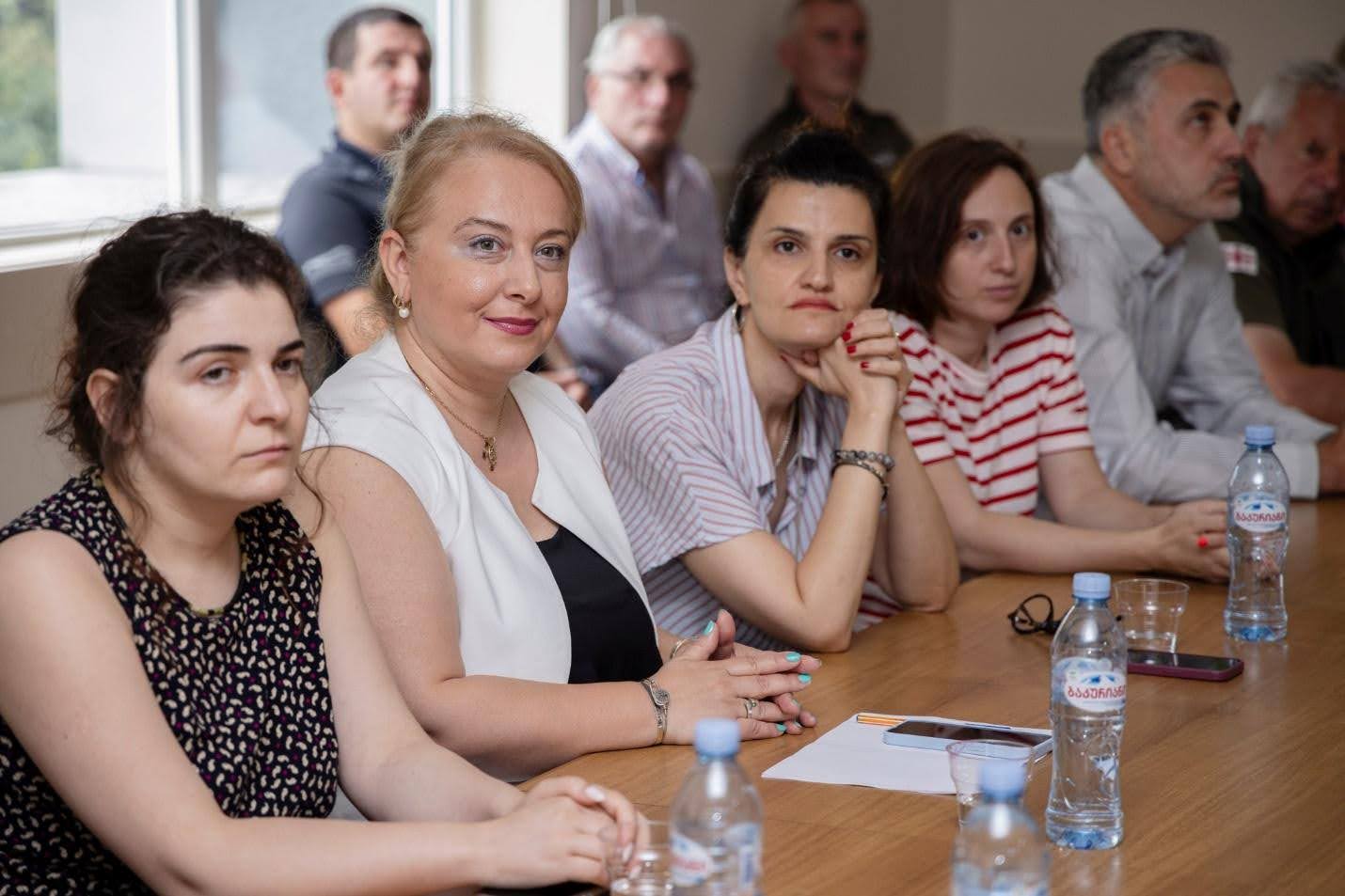
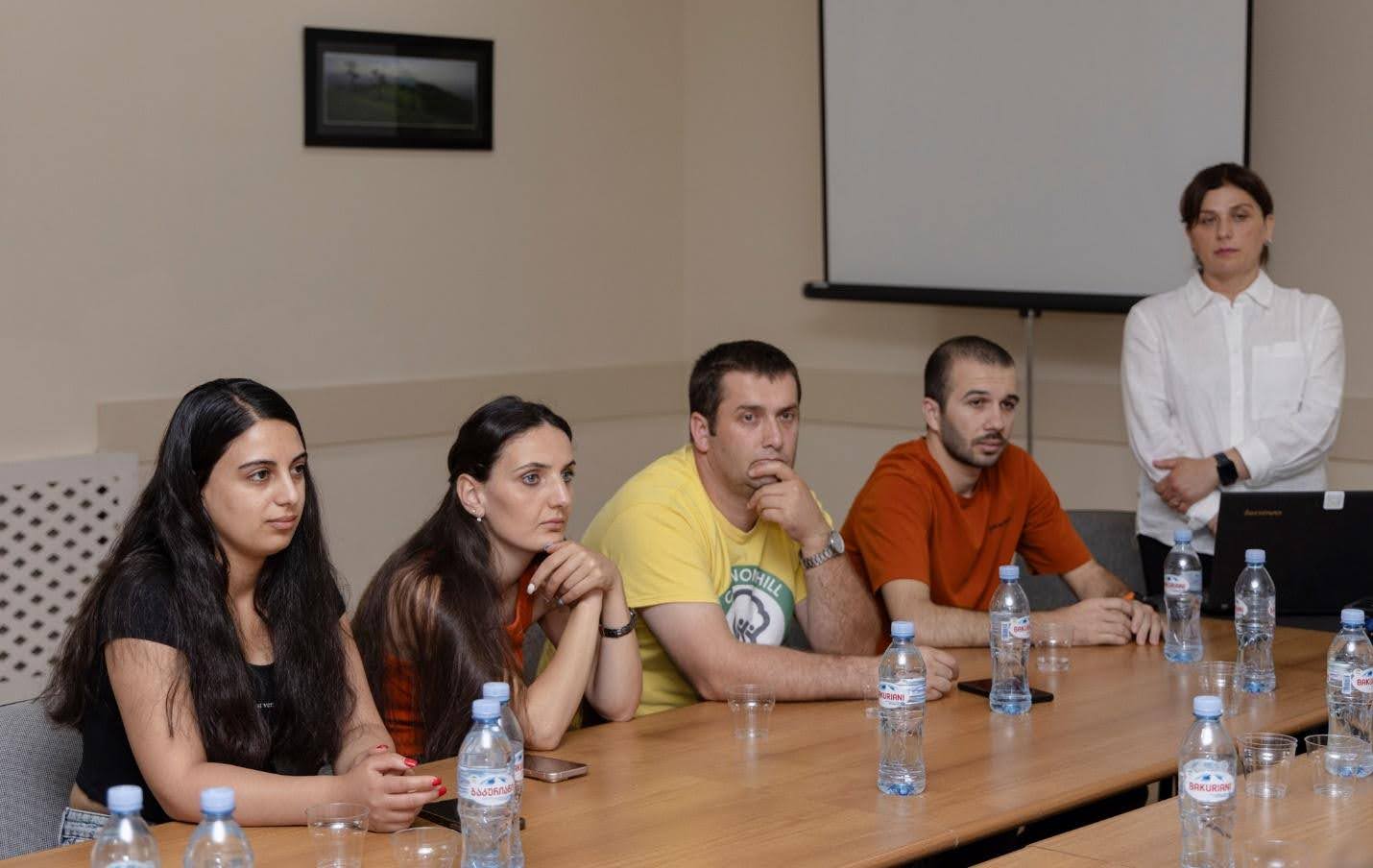
The closing event for the “Participatory Monitoring” project was held on July 19th at the Borjomi-Kharagauli Protected Areas Administration. The “Participatory Monitoring” project brings together community members who reside near the Protected Areas as well as students from different universities, including Samtskhe- Javakheti and Batumi Universities. Notably, the project has not been limited to students from environmental faculties, but the participants have come from various academic disciplines.
The project was implemented by the NGO “Green Borjomi” in collaboration with the Center for Biodiversity Conservation and Research (NACRES) with financial support from the Caucasus Nature Fund (CNF) under the UNDP/GEF Project “Supporting Financial Sustainability of Protected Areas System of Georgia”. The existing Community Rangers platform, created back in 2014 by the NGO “Green Borjomi”, was the driving force to implement the project.
Since 2022, under the auspices of the “Participatory Monitoring” project, Community Rangers participated in field-based biodiversity monitoring of the Brown Bear and other indicator species across several Protected Areas, including Borjomi-Kharagauli National Park, Tusheti and Pshav-Khevsureti Protected Areas, Ajarian Protected Areas and so on. Their work, conducted in collaboration with specialists from Protected Areas administrations and experts from NACRES, included the installation of photo traps and the collection of materials for DNA analysis of the Brown Bear. Prior to fieldwork, the students underwent extensive training conducted by experts.
The involvement of community members, especially young students, in this project is crucial as it provides them with practical learning experiences, enhancing their understanding of biodiversity, ecosystems, and environmental science. Engaging these students in biodiversity monitoring helps to build local capacity for environmental management and conservation, fostering a generation of knowledgeable and skilled individuals in these fields.
Moreover, the project plays a significant role in raising awareness within local communities. As it appears that locals are more receptive to receiving information about conservation and biodiversity from students, the participants have effectively disseminated knowledge about biodiversity through their families and friends. This has led to increased recognition and appreciation of Protected Areas among local communities, and greater understanding of the benefits these areas provide.
In summary, the “Participatory Monitoring” project has been instrumental in not only advancing biodiversity monitoring and conservation efforts, but also in fostering environmental stewardship and awareness among local communities.
Photo credit: Agency of Protected Areas


